“We’ve been hit. Multiple casualties. Medic is on them now. We need immediate medevac.”
When a soldier is injured on the battlefield, decisions must happen in seconds. Behind that call lies a more complex question: where do they go, who can treat them, and how fast can they get there?
In modern, multi-domain operations, teams often make these decisions with incomplete or delayed information. Even small gaps can lead to serious consequences.
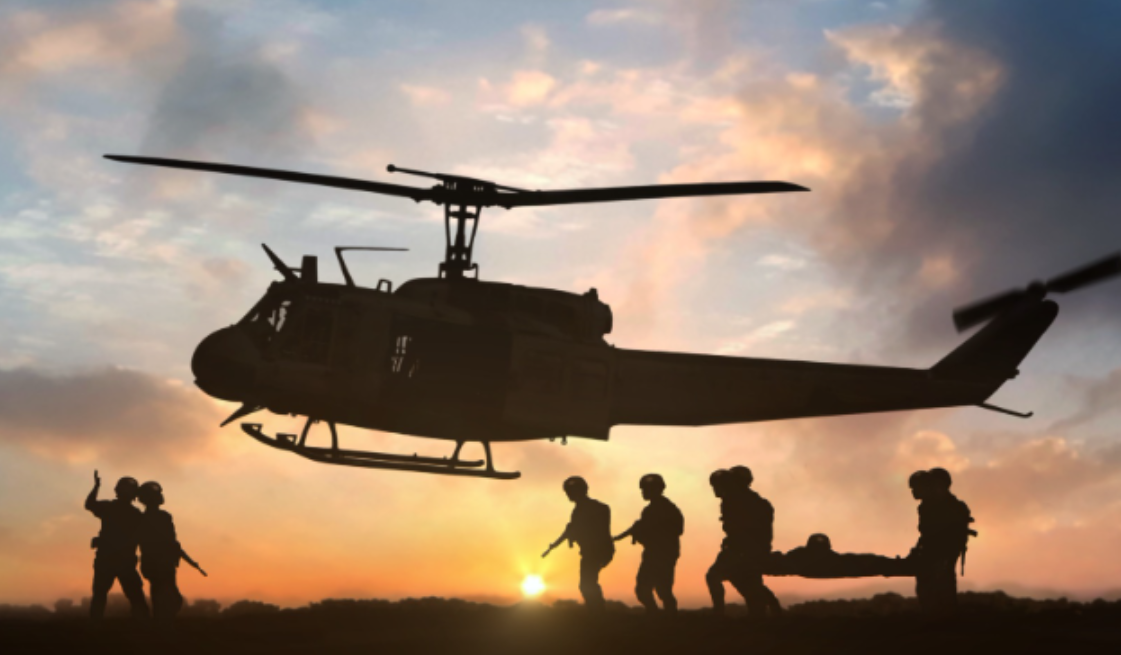
Too often, the data needed to coordinate battlefield medical care is fragmented across allied systems. Each system uses its own rules, formats, and access constraints.
Without real-time, interoperable data, commanders and planners lack a complete picture. This makes it harder to decide where injured personnel should go and how to get them there safely.
In these moments, delays do not just reduce efficiency. They directly impact outcomes.
The challenge: coordinating care when time is against you
At NATO’s 2026 TIDE Hackathon in Reykjavik, Iceland, teams tested this operational reality. As one of three mission-driven challenges, teams faced a critical question: how can real-time, AI-assisted decisions support casualty care across allied systems?
Calian partnered with Foci Solutions as part of the four-person “CF Fusion” team. The team combined defence expertise, digital health capability, and advanced AI engineering. Competing alongside multinational teams, they worked in a high-pressure environment with limited time and incomplete information.
In five days, the team delivered a working prototype. It integrated medical, operational, and logistical data into one system. It functioned across disconnected environments and supported real-time decision-making. The objective remained clear: get the right patient to the right place, for the right care, at the right time.
AI amplifies human judgment, helping defence teams make fast, mission-critical decisions on the battlefield when every second counts.
Eric Norton, Director, Emerging Technologies, Calian; and CF Fusion Team Member
Turning data into decisions: HEIMDALL
The CF Fusion team drew on decades of experience across defence, healthcare, and software development. They developed HEIMDALL, an AI-enabled medical planning tool that delivers clarity when casualties occur.
In high-pressure environments with incomplete information, HEIMDALL turns complex data into clear, actionable insight. It helps commanders and planners decide where a patient should go, who can provide care, and the fastest, safest route.
HEIMDALL integrates data across allied systems and analyzes options in real time. It delivers explainable, AI-assisted recommendations while keeping human decision-makers in control. The system adapts to changing conditions, including facility capacity, weather, and route access. It also operates in low-connectivity environments, ensuring reliability when it matters most.
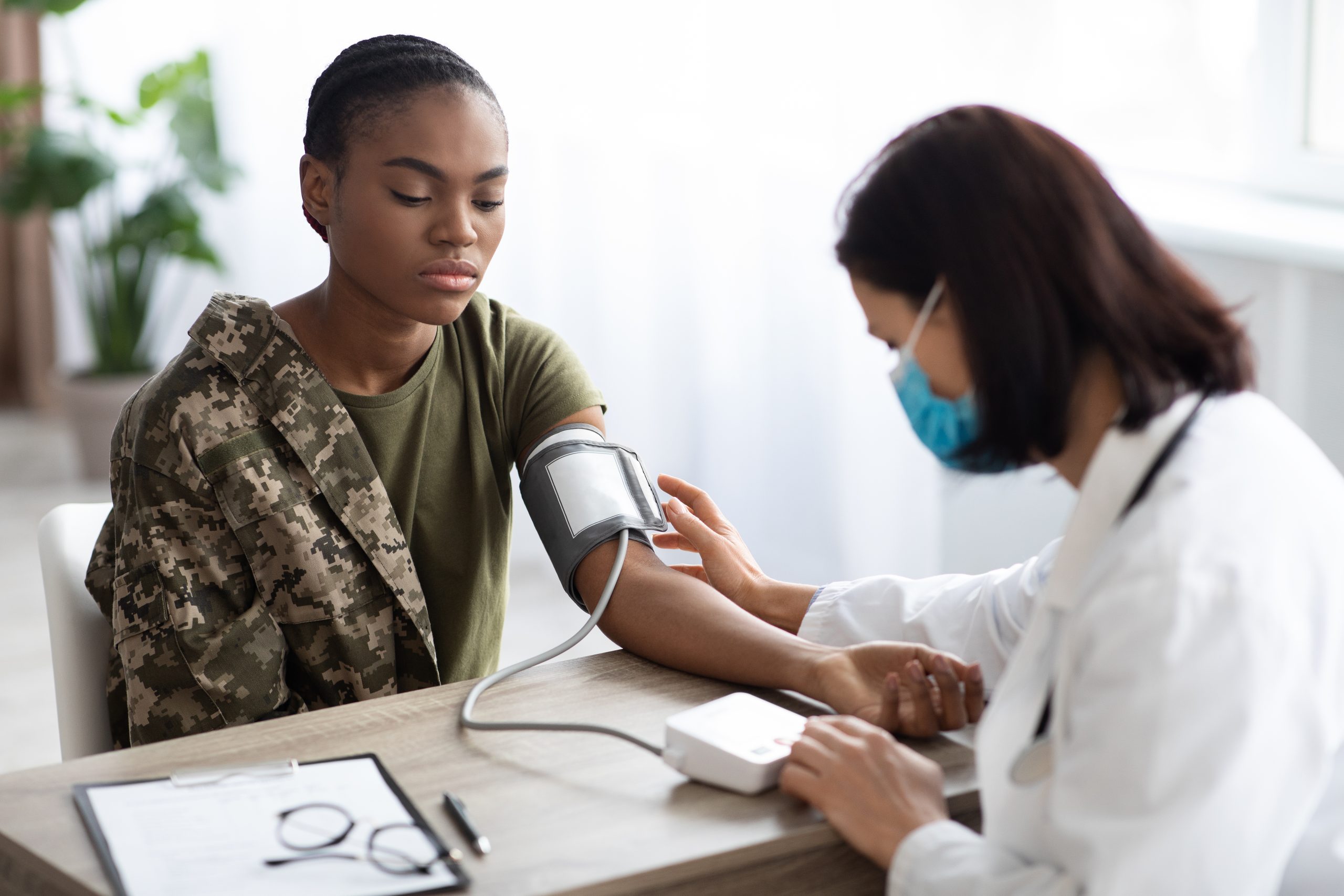
HEIMDALL enables real-time information sharing across allied forces. It strengthens coordination, improves resource allocation, and supports faster, more informed decisions. This approach accelerates access to care and increases the likelihood of survival.
From months to days: accelerating defence innovation
Traditionally, developing defence capabilities can take months—time operational environments often cannot afford. HEIMDALL shows how AI-enabled development can compress that timeline, moving from concept to a working capability in days.
This shift is not incremental. It fundamentally changes how teams develop, test, and deploy defence solutions. It helps organizations keep pace with rapidly evolving demands, especially in complex, data-rich, multi-domain environments. In this context, the ability to process and act on information in real time becomes a decisive advantage.
What comes next: HEIMDALL’s future
Faster decision-making. Smarter triaging. And the high potential for many more lives saved.
Even at the prototype stage, HEIMDALL has attracted interest for demonstrations with NATO stakeholders. This marks a key step toward operational deployment. The broader implication is clear: AI not only enhances field decisions, it reshapes how teams build and deliver mission-critical capabilities.
At Calian, this approach drives mission-critical solutions, enabling faster, more informed decisions in environments where failure is not an option.
| By the numbers |
|---|
| 33 teams competing from allied nations |
| 19 countries represented across NATO participants |
| 5 days to design and deliver a working prototype |
| 2nd place awarded to Calian / CF Fusion in the Digital Health Challenge |
| 1 operational prototype developed and demonstrated live |

